
Manual Therapy & Bodywork for Infants
Gentle, Holistic, Hands-On Support for Comfort, Regulation, and Early Movement Development
Manual Therapy & Bodywork at Movevery offers gentle, hands-on support to help infants feel more comfortable, balanced, and at ease in their bodies. By supporting nervous system regulation and whole-body alignment, we help create a strong foundation for healthy movement and development.
Signs Your Baby May Benefit from Manual Therapy & Bodywork
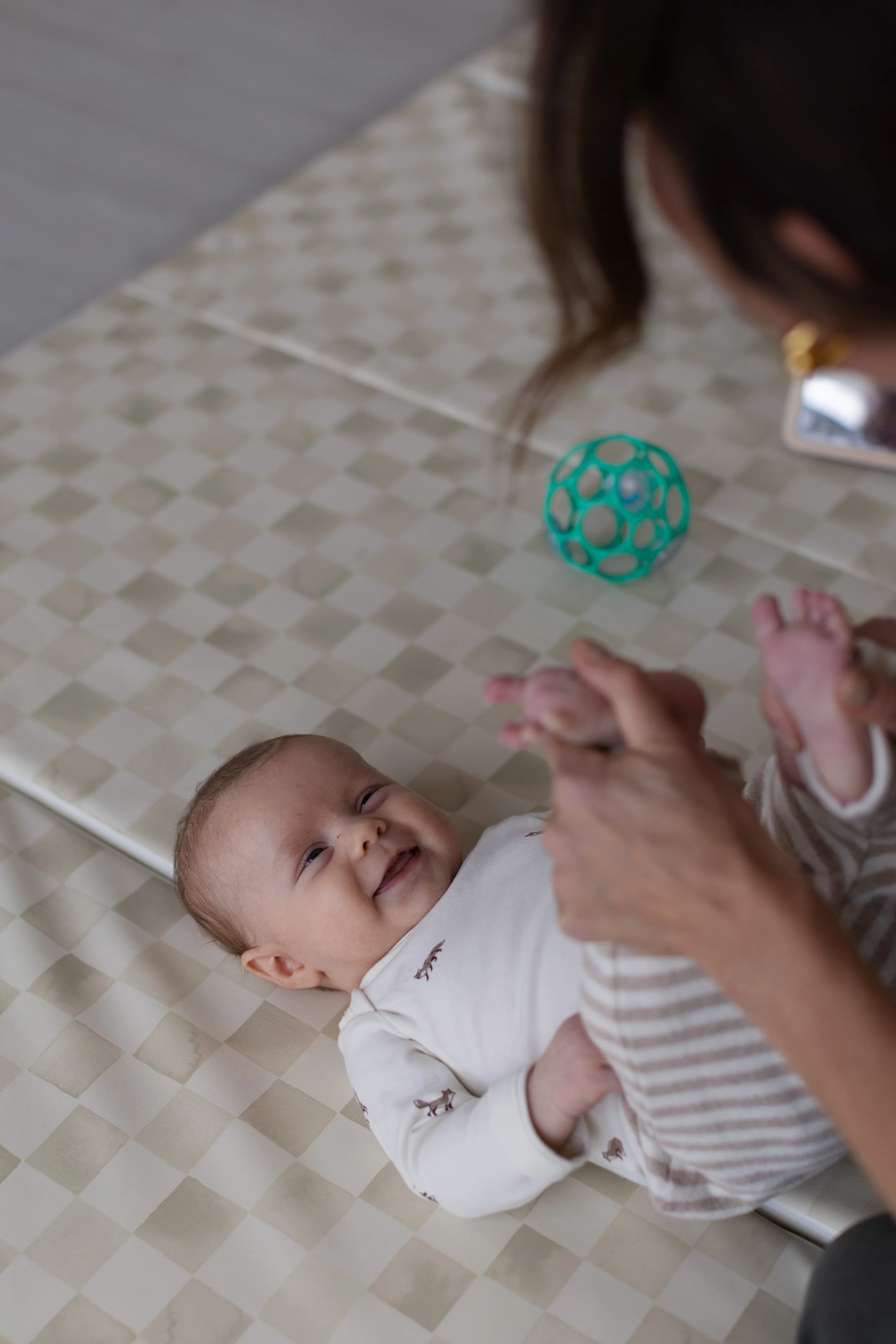
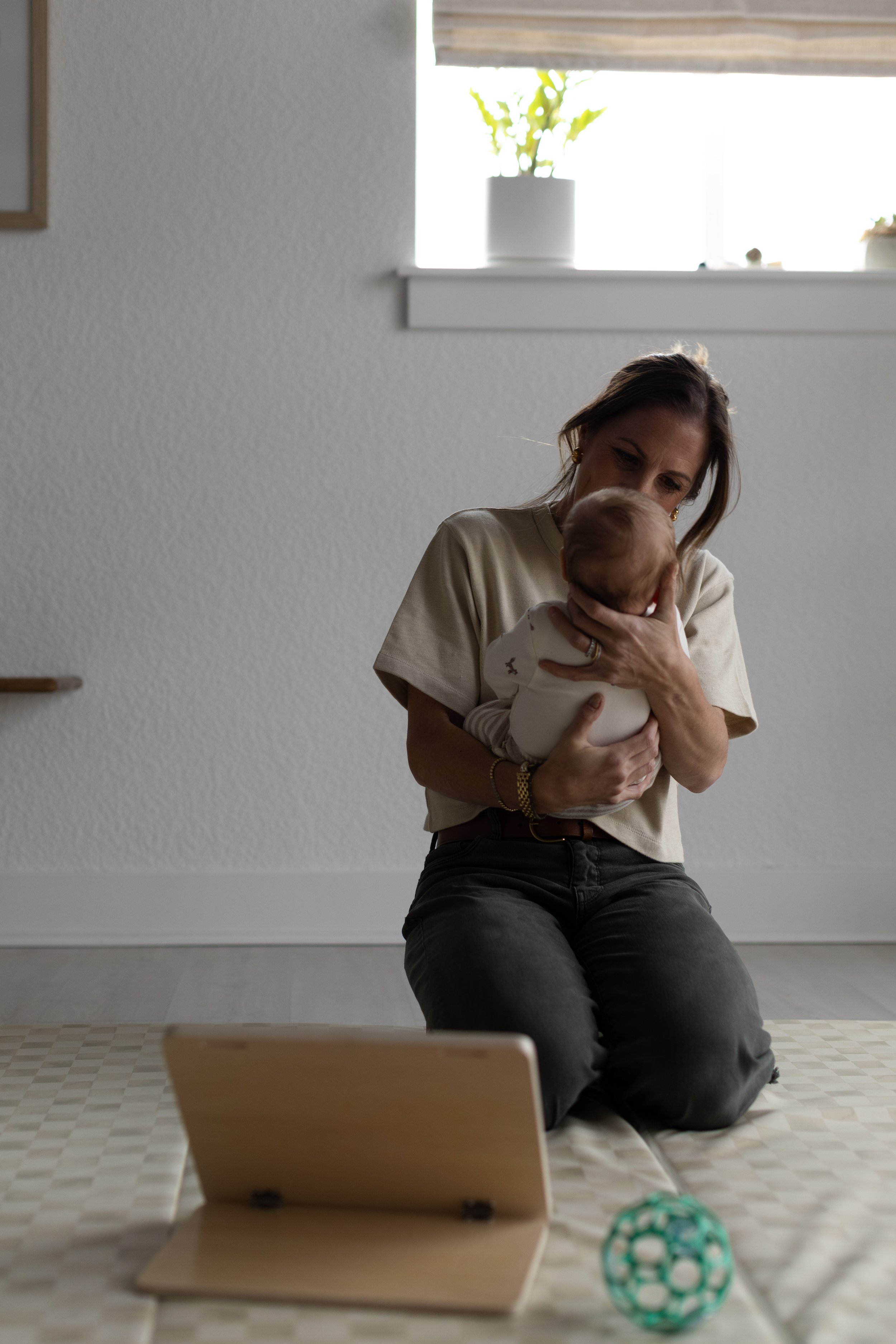
At Movevery, we recognize that early movement and comfort are closely connected. Some babies work harder than others to find ease in their bodies, which may show up during tummy time, feeding, sleep, or early play. You might notice movement preferences, head shape differences, stiffness, or signs of discomfort such as reflux or colic during everyday activities.
Our Manual Therapy & Bodywork services offer gentle, infant-centered support to help babies feel more comfortable, regulated, and supported as they move and grow.
What Is Manual Therapy & Bodywork?
Manual Therapy & Bodywork is a gentle, hands-on approach that supports nervous system regulation and movement quality during early development. We follow your baby’s natural movement patterns and cues to support comfort, alignment, and ease.
Sessions are calm and responsive, combining skilled manual therapy with purposeful play. Care is guided by your baby’s readiness and comfort, with caregivers present and supported throughout each session.
Specialized Techniques We Use
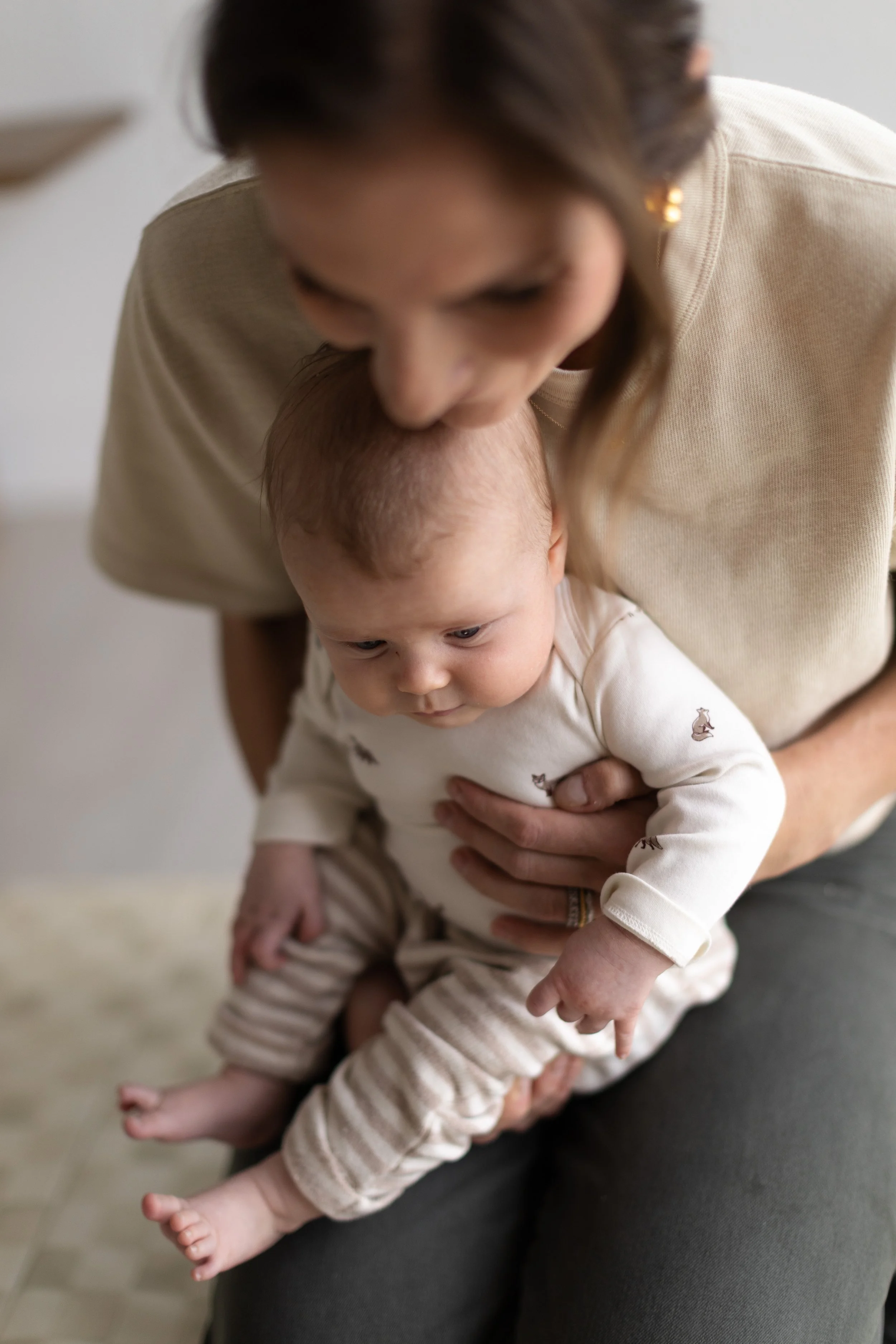
Your baby’s care at Movevery may include one or more of the following gentle, hands-on manual therapy approaches, thoughtfully selected based on your baby’s unique needs and developmental stage:
Gillespie Approach Craniosacral Fascial Therapy: An advanced, gentle manual therapy approach that blends craniosacral and fascial principles to support comfort, physical organization, and balanced movement. By working with the interconnected fascial and craniosacral systems, this technique helps address strain patterns often associated with torticollis, body tension, feeding challenges, reflux, and early motor asymmetries in infants and young children.
Total Motion Release (TMR) Tots: A pediatric-specific manual therapy approach used in infant and pediatric physical therapy to improve symmetry and mobility. TMR Tots builds on movements your baby already prefers, using those patterns to gently reduce imbalances and support head preference, torticollis, and milestones like rolling, sitting, crawling, and walking.
Craniosacral-Informed Techniques: Gentle, light-touch techniques informed by foundational craniosacral training. These techniques support nervous system regulation and overall body comfort by responding to subtle patterns of tension in a respectful and responsive way.
Each approach is integrated with developmentally appropriate positioning, purposeful movement experiences, and hands-on caregiver guidance. At Movevery, our Denver pediatric physical therapy practice focuses on supporting the whole child, improving comfort, promoting symmetry, and helping every little body move with greater ease.
Considering Manual Therapy for Your Baby?
What It Is, How It Helps, and What to Expect
What to Expect
Sessions are calm and responsive, guided by your baby’s cues. Dr. Nicole will observe movement and posture, use gentle hands-on techniques, and incorporate purposeful play, along with simple strategies you can use at home to continue supporting your baby.
Caregivers are present and supported throughout each session, and your baby’s comfort is always the priority.
Our Approach at Movevery
At Movevery, we focus on supporting the nervous system and the body as a whole to create a strong foundation for early movement and development. Our goal is to help your baby feel comfortable and supported in their body so movement can develop with greater ease.
Interested in learning more or scheduling a session?
We’d love to support you and your baby.
“We hired Movevery to help with our newborns lip and tongue tie, reflux, and gas. This is our 3rd child and I wish we had Nicole for our 1st and 2nd! Nicole was so knowledgeable and translated complicated information into totally understandable language for my husband and me. She gave us usable ways to help calm our baby and ease gas. Our baby was so comfortable and calm with Nicole - she loved her! She also taught us what is developmentally appropriate and how to “play” and assist in healthy development for her.
Nicole was lovely and so easy to work with. She was beyond helpful and I’m so glad we chose to work with her. I feel so much more confident with my baby and how to help her thrive.”

Signs Your Baby May Benefit from Gentle Manual Therapy or Bodywork
Children’s bodies are constantly adapting as they grow. Sometimes patterns of tension or imbalance can make movement feel uncomfortable or difficult. Gentle manual therapy can help release these restrictions, supporting your baby’s comfort, movement, and ability to explore their environment.
Parents often notice small signs that their baby’s body may be holding extra tension. If you recognize any of the patterns below, bodywork and pediatric physical therapy can help restore balance and support your baby’s development.
Signs Of Unbalanced Body Tension
Difficulty relaxing or always seeming stiff
Strong preference to turn or look to one side
Arching or pushing into extension frequently
One side of the body appearing tighter
Difficulty bringing hands to midline
Fisting hands much of the time
Functional Signs You May Notice
Discomfort or fussiness during tummy time
Feeding that feels challenging or uncomfortable
Preference to be held only in certain positions
Flat spots on the head or head shape changes
Struggles with rolling or early movement transitions
Your baby’s body feels tight or difficult to position comfortably
When tension patterns release, babies often move more freely, explore new positions, and feel more comfortable in their bodies. If you notice any of these signs, gentle bodywork can help your baby move more comfortably and freely.
Pediatric Physical Therapy & Bodywork Services
-
In-Home Pediatric Physical Therapy
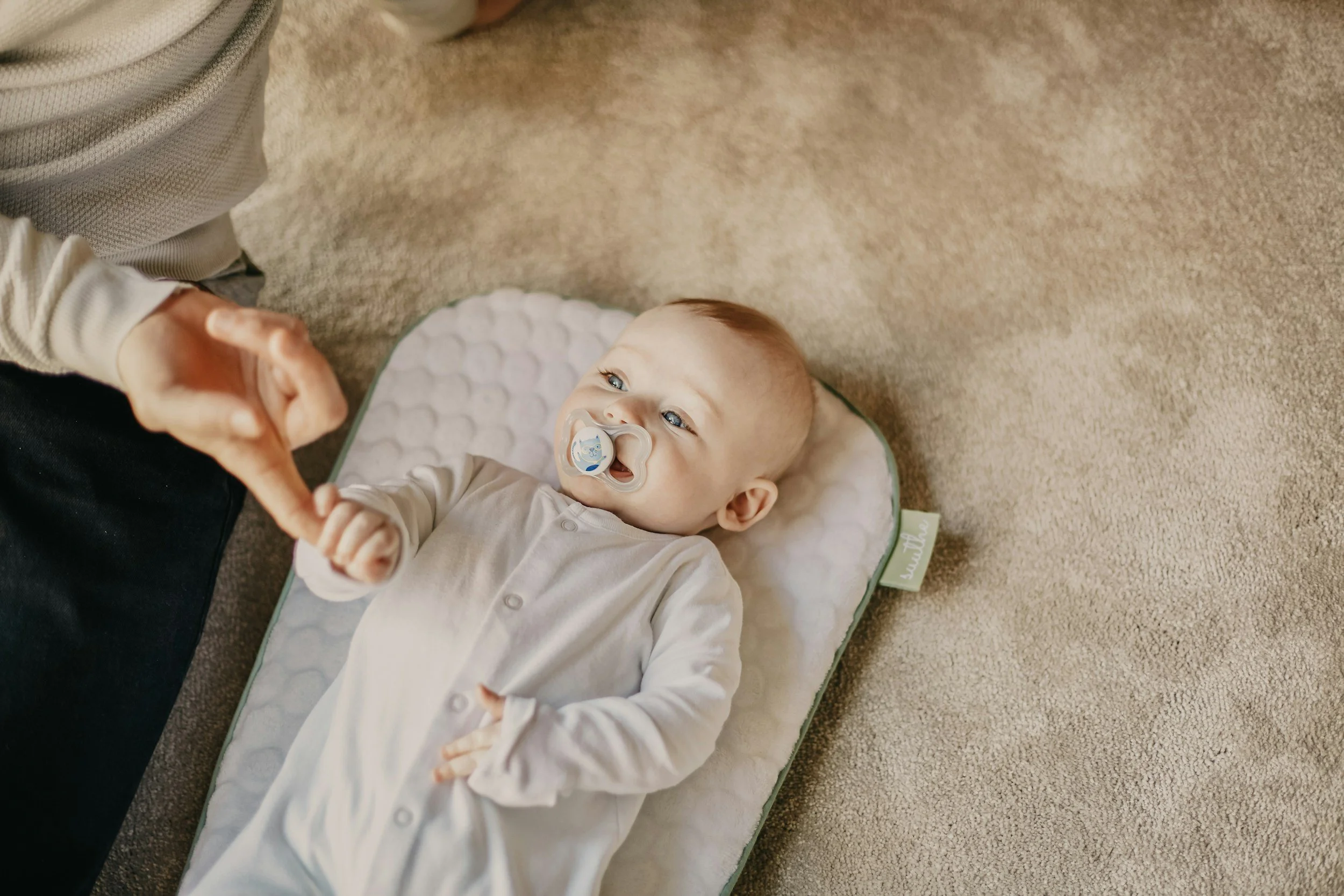
Ideal for newborns and young infants receiving manual therapy for body tension, torticollis, reflux, or feeding challenges — observing your baby in their natural environment gives Dr. Nicole the most complete picture of how they move, feed, and settle throughout the day.
Perfect for families who:
Prefer therapy in a familiar environment
Have newborns or infants just starting milestones
Want to integrate therapy into daily routines
Need convenience + comfort
What’s included:
A PT comes to your home
Real-life movement practice (stairs, play,etc)
Personalized home set-up and positioning guidance
Parent and caregiver training
-
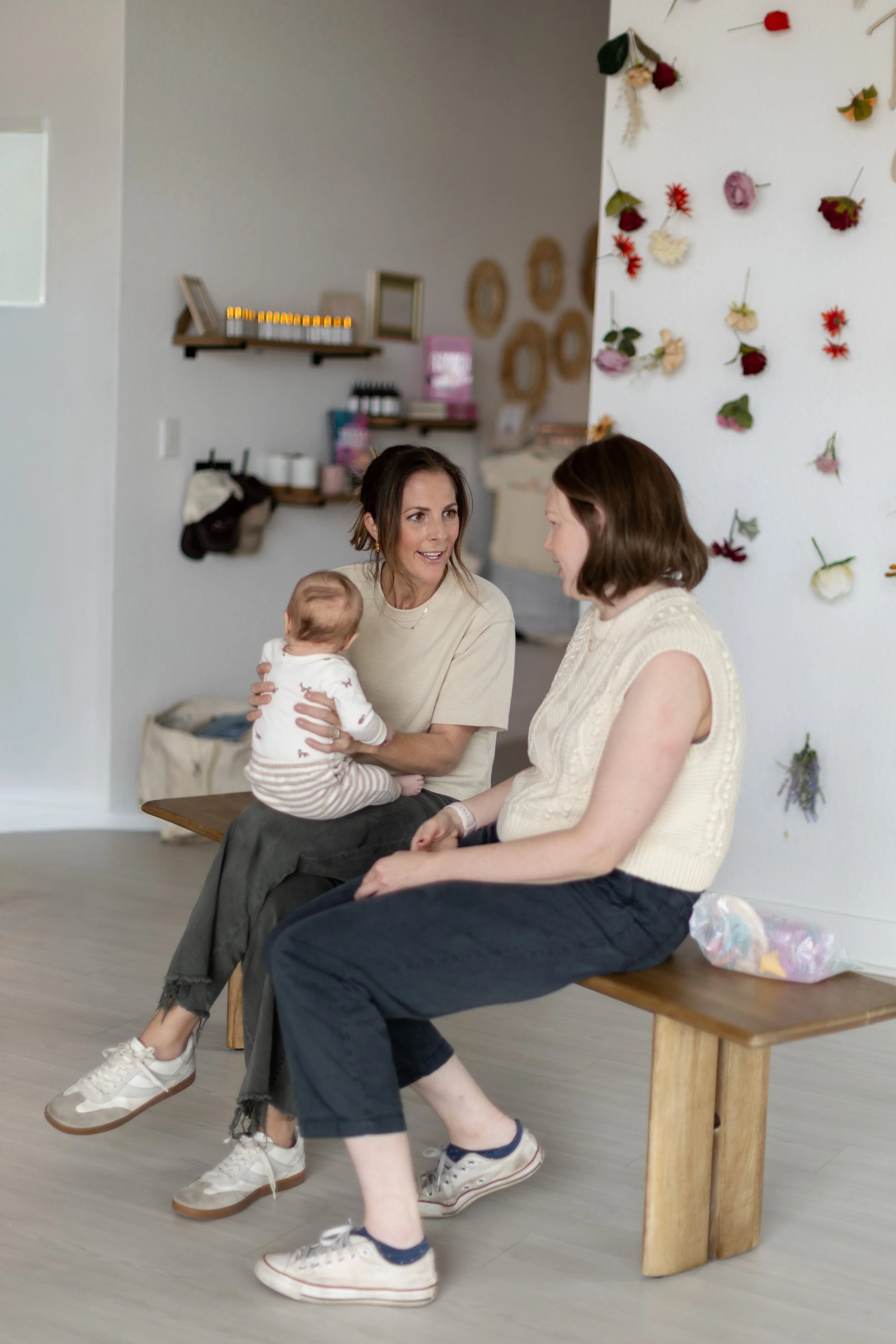
Virtual Pediatric Physical Therapy (Colorado)
A strong option for milestone check-ins, torticollis home program support, and ongoing coaching between in-person visits — accessible no matter where you live in Colorado. Ideal for coaching-heavy care or follow-ups, all from the comfort of your home.
Great for:
Parents seeking expert guidance without travel
Families needing flexible scheduling
Check-ins or ongoing milestone support
Coaching to confidently support your child at home
What’s included:
Live 1:1 video sessions
Demonstrations using your home environment
Video examples, feedback, and tailored plans
Follow-up communication
-
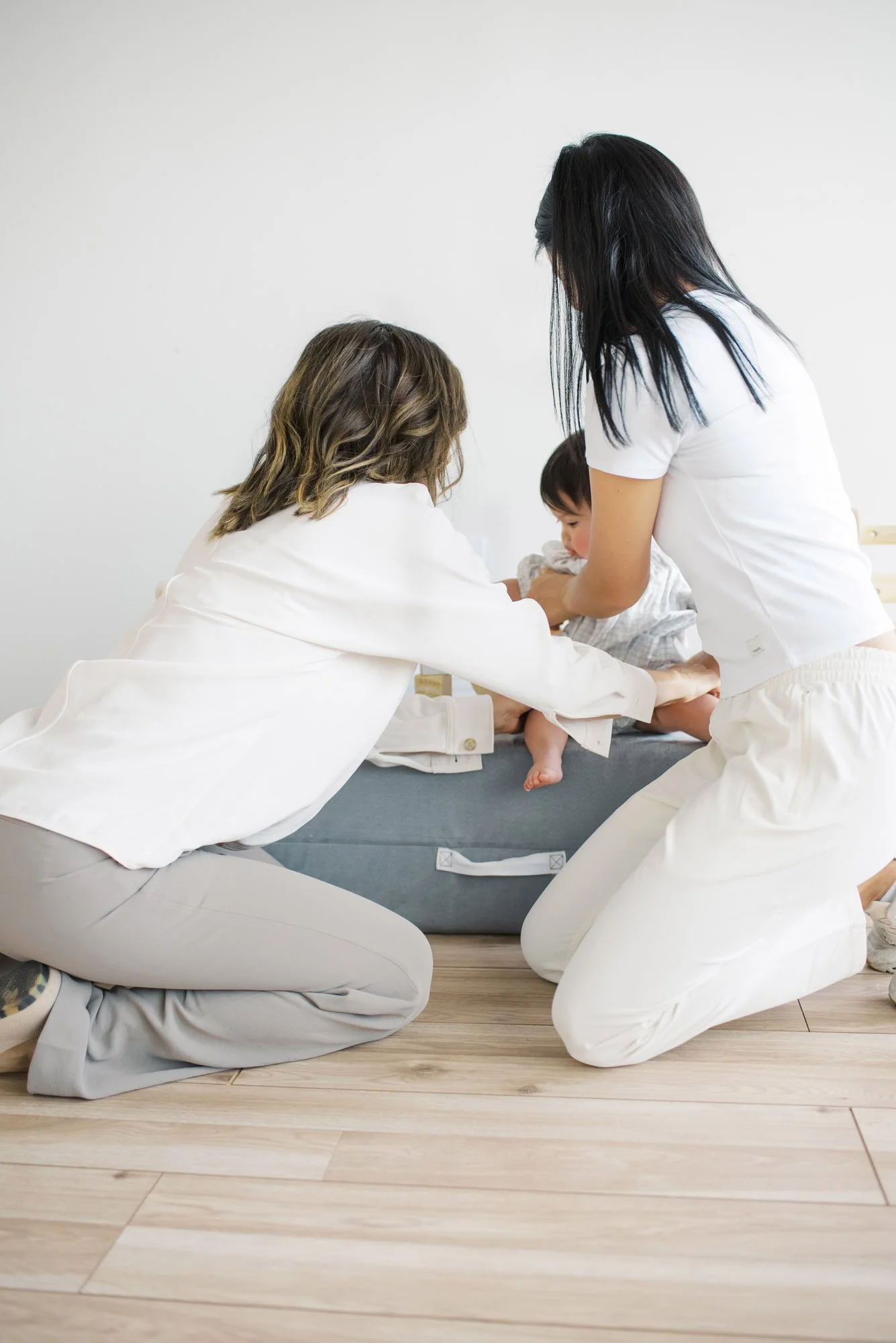
Clinic-Based Pediatric Physical Therapy
Well-suited for hands-on manual therapy treatment of torticollis, plagiocephaly, body tension, and feeding-related challenges — conditions that benefit from Dr. Nicole's full range of specialized equipment and a calm, focused environment.
Best for families who want:
Access to specialized equipment
A distraction-free setting
A consistent therapy routine
Guidance on strengthening, mobility, and coordination
What’s included:
1:1 sessions with a pediatric physical therapist
Play-based strengthening and mobility
Parent coaching & home strategies
Ongoing progress tracking
Frequently Asked Questions About Manual Therapy for Babies
From craniosacral therapy to what a session looks like — here's what families ask most before getting started.
-
Craniosacral therapy is a gentle, light-touch manual therapy approach that works with the craniosacral system — the membranes and fluid surrounding the brain and spinal cord. In infants, it is used to address patterns of tension, restriction, or asymmetry that can develop during pregnancy or birth. A trained therapist uses subtle, hands-on techniques to support the body's natural ability to release tension, improve comfort, and promote healthy nervous system regulation. At Movevery, craniosacral-informed techniques are integrated into sessions based on each baby's unique needs and cues.
-
The Gillespie Approach is an advanced manual therapy technique developed specifically for infants and young children. It blends craniosacral and fascial principles to address strain patterns throughout the body — patterns that can develop during pregnancy, labor, or birth. This approach is particularly effective for babies with torticollis, body tension, feeding challenges, reflux, and early motor asymmetries. At Movevery, Dr. Nicole integrates the Gillespie Approach as part of a whole-body assessment and treatment plan tailored to your baby's unique needs.
-
Yes. When provided by a trained pediatric physical therapist, manual therapy is gentle, safe, and appropriate for babies from the earliest days of life. At Movevery, all techniques are selected based on your baby's age, developmental stage, and individual cues. Sessions are always guided by your baby's comfort and readiness — there is no forcing, no discomfort, and no rushing. Caregivers are present and actively involved throughout each session.
-
It can. While reflux and colic have many possible causes, some babies experience discomfort related to patterns of tension in the body — particularly around the diaphragm, spine, and digestive system. Gentle manual therapy can help release these tension patterns, support nervous system regulation, and improve overall body comfort. Many families report improvements in settling, feeding, and sleep following bodywork sessions. Manual therapy is not a replacement for medical evaluation but can be a meaningful, complementary support alongside your pediatrician's care.
-
Pediatric physical therapy focuses on movement, strength, coordination, and motor milestone development — using play-based activities, guided movement, and parent coaching. Manual therapy addresses the underlying tissue tension, nervous system regulation, and whole-body alignment that can affect how a baby moves and feels. At Movevery, these approaches are not separate — Dr. Nicole integrates manual therapy techniques directly into physical therapy sessions when appropriate, so your child receives whole-body support in every visit rather than a one-size-fits-all approach.
DISCLAIMER:
Movevery is cash pay and out-of-network with all insurances. Upon request, we’ll provide you with a superbill so you can submit it to insurance for out-of-network reimbursement. Out-of-state virtual services are not reimbursable. Payment is due in full in advance of service.